From the protected waters of the Gulf St Vincent to Kangaroo Island, and then the seafood coast of the Eyre Peninsula, South Australia rewards owners prepared to cruise beyond the familiar.
Now there are parts of Australia that announce themselves to cruising boats with a well-worn procession of marinas, waterfront restaurants and familiar anchorages. South Australia is not one of them. Its appeal is quieter, and far more elemental. Its long horizons, limestone cliffs, clear water, immense Gulfs and islands make it feel genuinely remote.
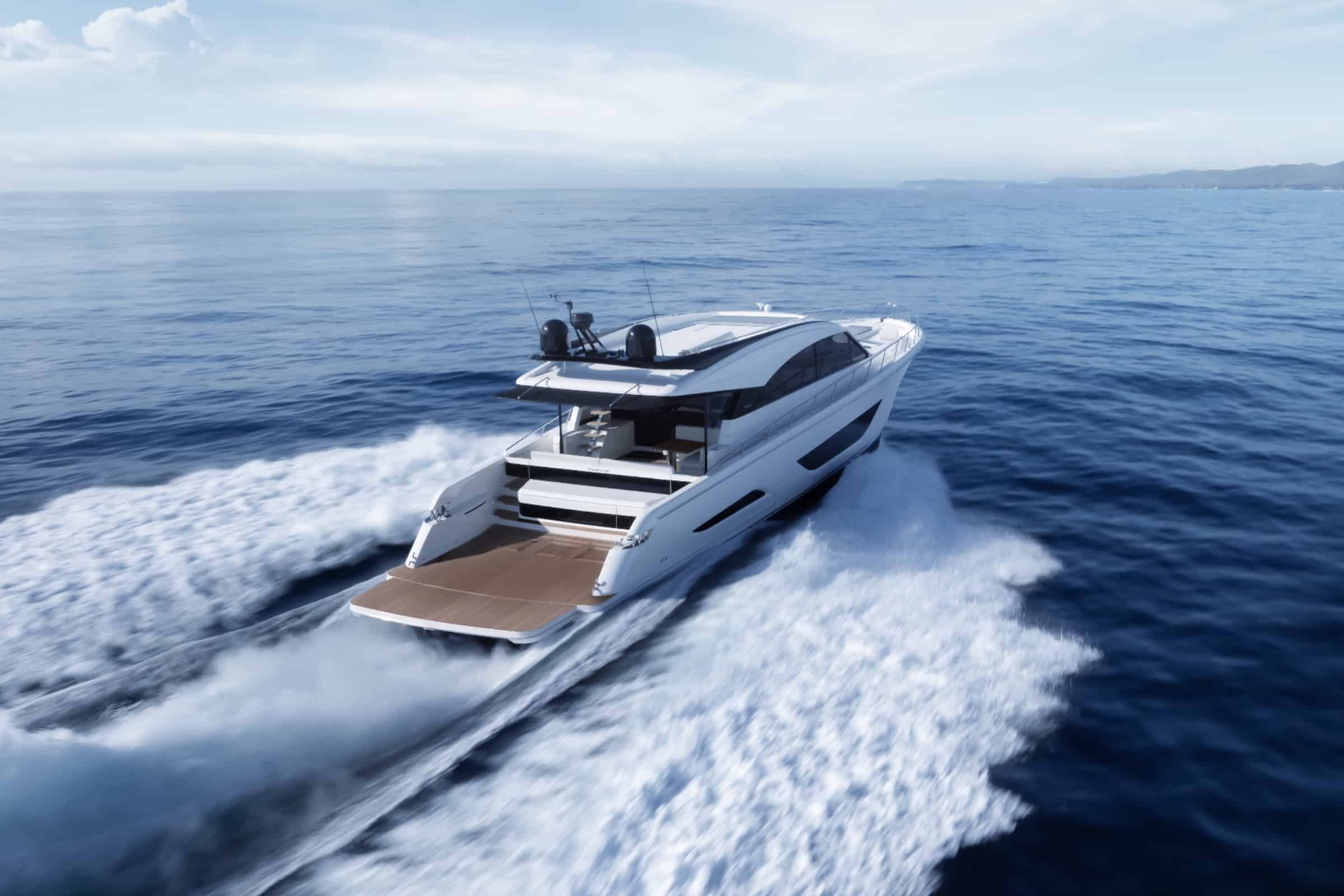
This is a coast that asks owners to think beyond the next lunch stop, and to rediscover the pleasure of making a passage simply because of where it leads.
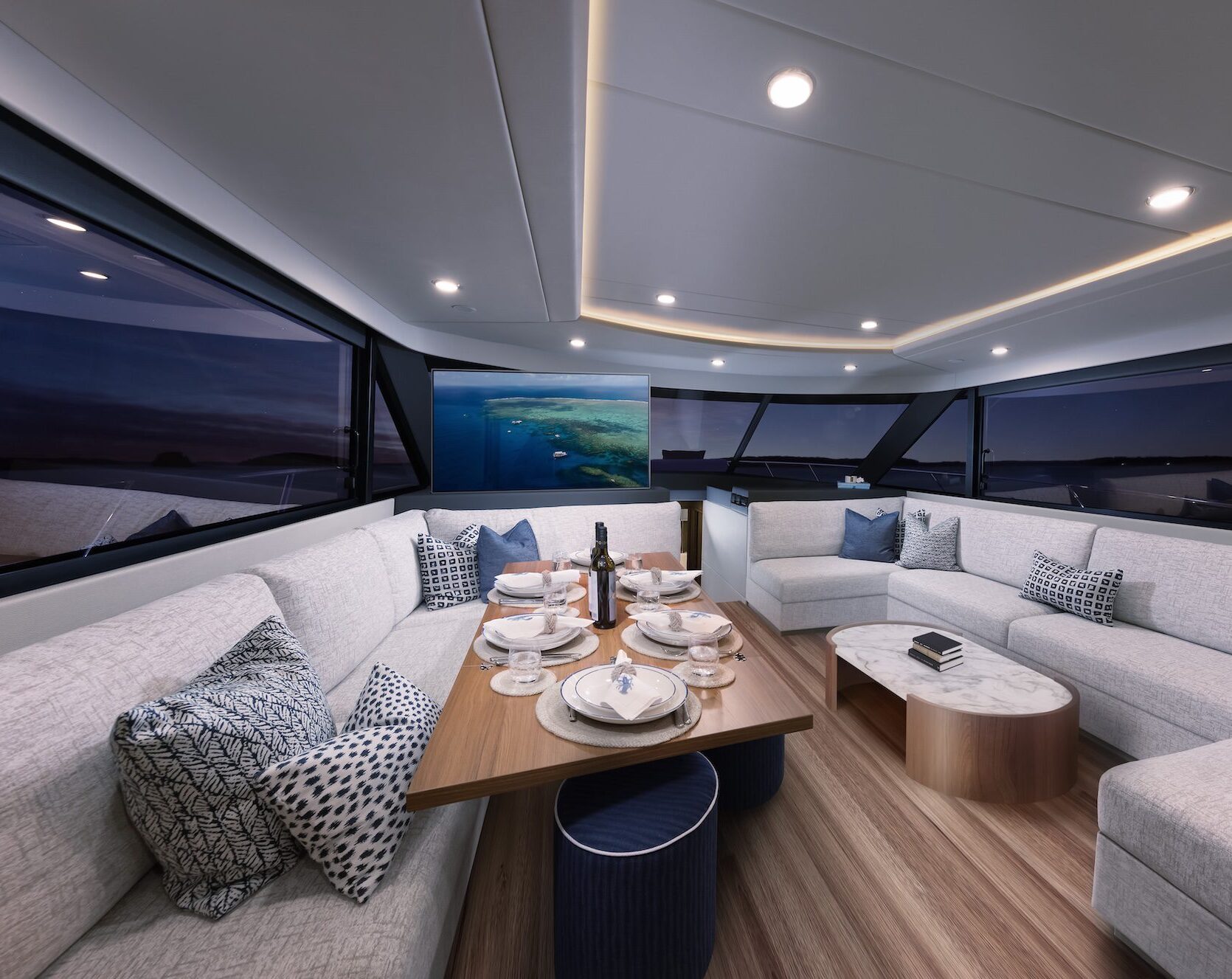
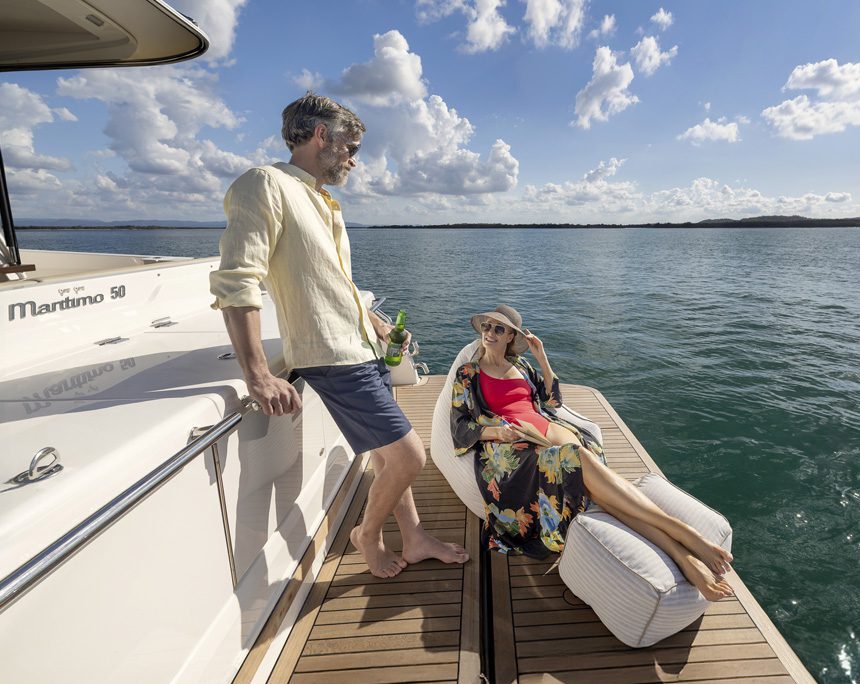
The state’s cruising grounds reward range, preparation, and a vessel like a Maritimo long-range luxury motor yacht, capable of turning open-water miles into comfortable days aboard is ideally suited to this. From Adelaide, a journey can unfold down Gulf St Vincent, around the Yorke Peninsula, across to Kangaroo Island and west towards Port Lincoln and Coffin Bay. Each section has its own rhythm, yet all share the same defining quality. Namely, space.
South Australia does not offer tropical cruising, nor does it pretend to. The water can be cool, the weather deserves respect, and the exposed stretches between protected harbours call for careful passage planning. In return, it delivers something increasingly rare, coastlines without crowds, anchorages without competing soundtrack, and destinations where arriving by sea still feels like an achievement.
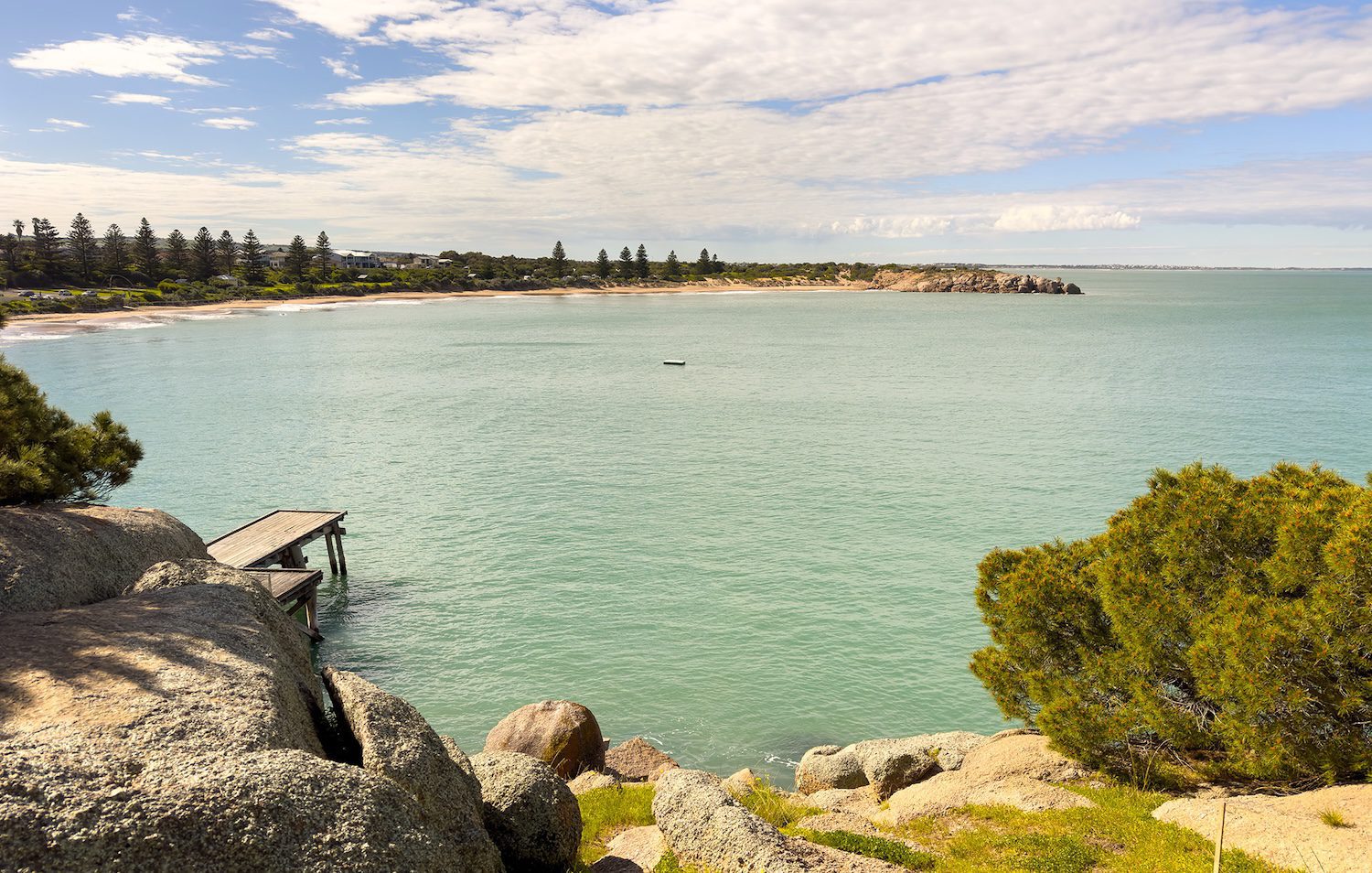
Cruising in South Australia is best from late Spring through to Autumn. Between October and April, long daylight hours, comfortable temperatures, and generally settled high-pressure systems create ideal conditions for exploring Gulf St Vincent, Kangaroo Island and the Eyre Peninsula. Many experienced owners regard November and March as the sweet spot, when warm days, quieter anchorages and reliable weather combine to make every passage a pleasure. Summer offers idyllic conditions for swimming and entertaining aboard, although afternoon sea breezes often encourage an early start, and an equally early arrival at the day’s anchorage. Winter rewards those prepared to wait for favourable weather windows, but the more frequent cold fronts and stronger westerly systems make it a season better suited to experienced offshore cruisers.
Beginning in sheltered waters
Adelaide provides the natural starting point. North Haven and the marina precincts at the top of Gulf St Vincent offer access to fuel, supplies, technical support, and the city’s airport before the coastline begins to open out. It is an easy place to prepare properly, whether the plan is a week exploring the Gulf, or a longer expedition towards the Eyre Peninsula.
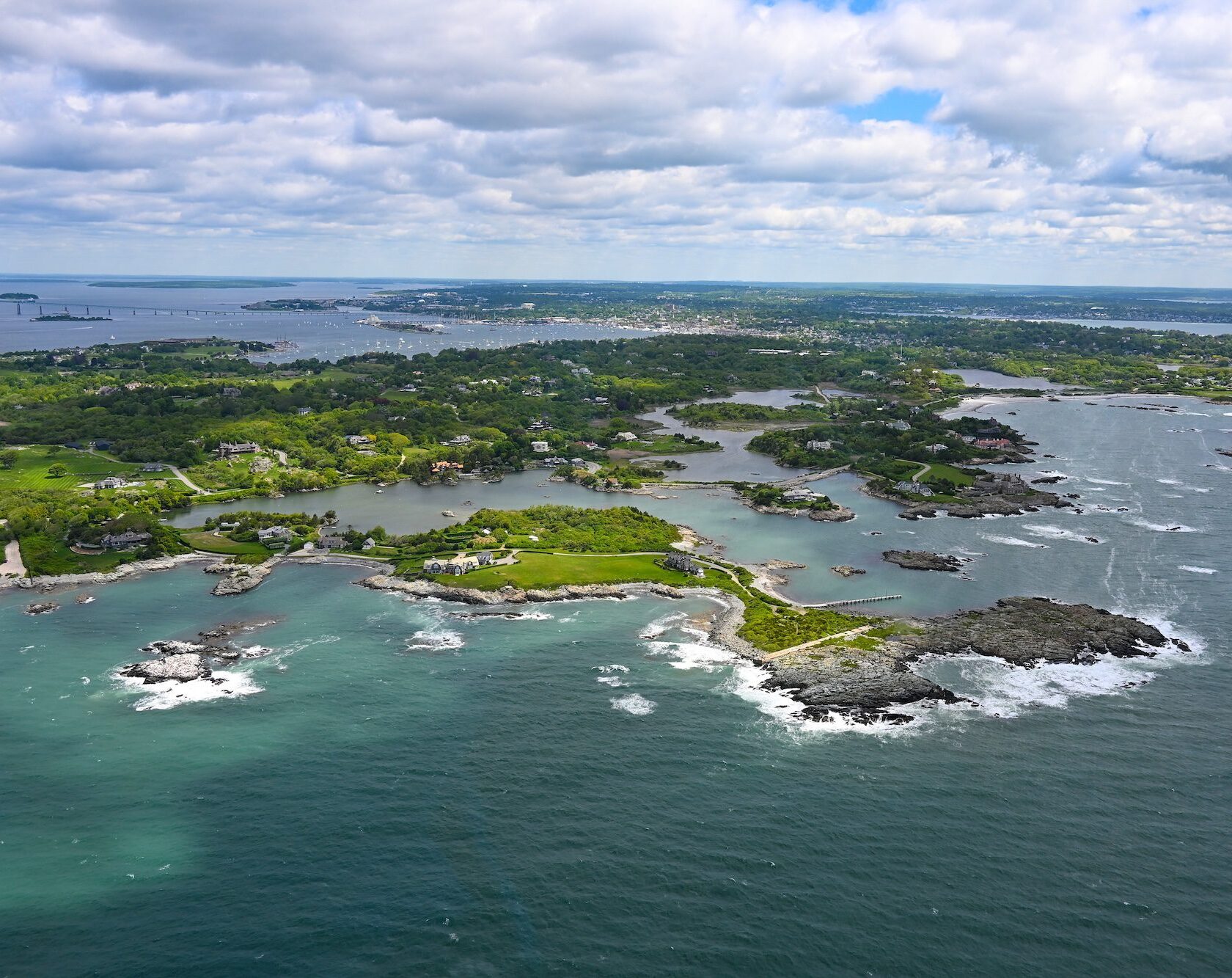
Once clear of the metropolitan coast, the character of the voyage changes quickly. The eastern shoreline of Gulf St Vincent leads towards the Fleurieu Peninsula, where beaches, cliffs, and small coastal towns create a gentler introduction to South Australian cruising. On a settled day, the run south can be unhurried, breakfast at anchor, a few hours underway, and then an afternoon spent close to shore with the tender in the water.
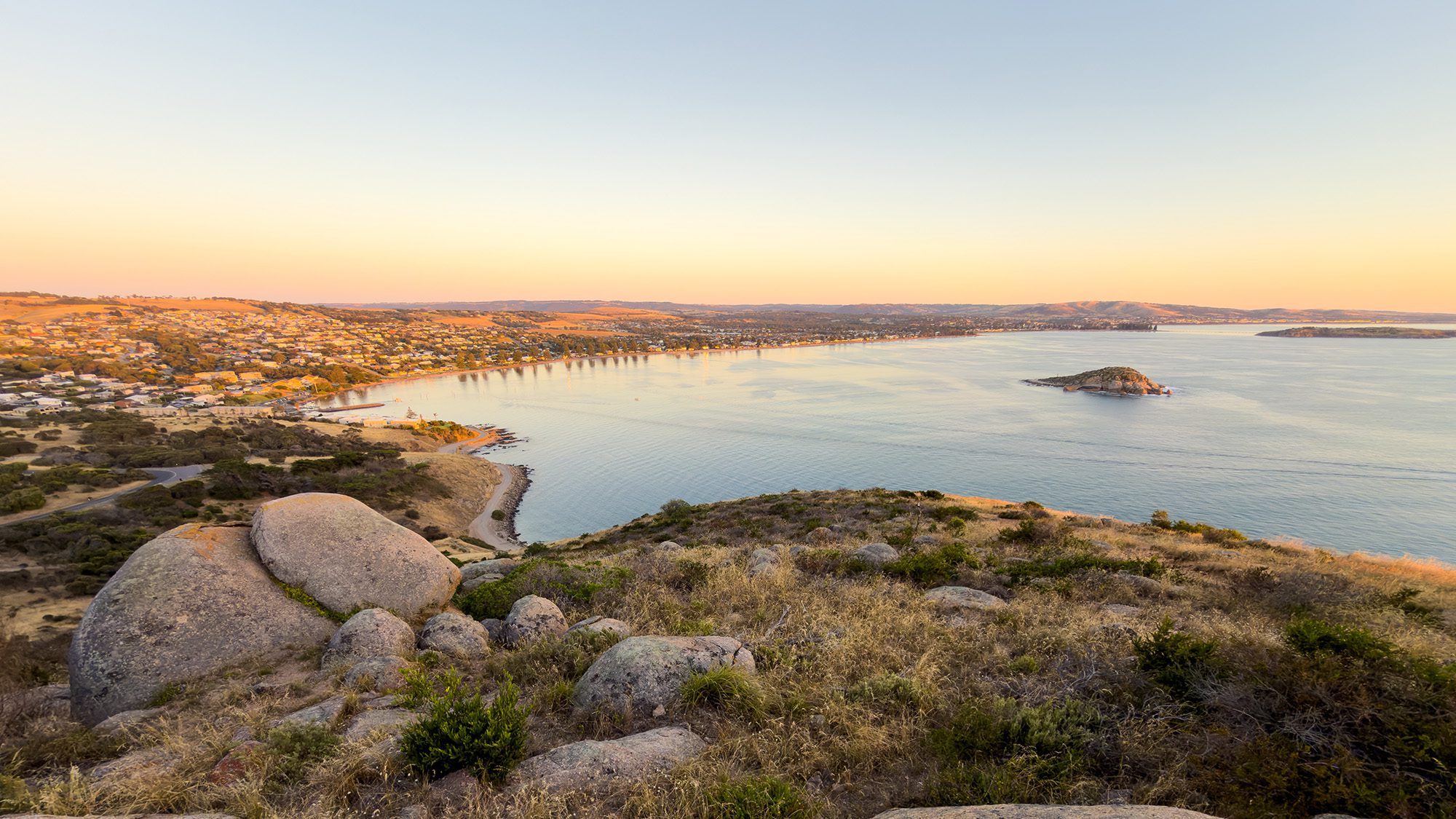
The western side of the Gulf belongs to the Yorke Peninsula. Its long, boot-shaped coastline creates an extensive cruising ground in its own right, with towns such as Port Vincent and Edithburgh providing convenient staging points. The coast alternates between low beaches and more rugged headlands, whilst the relatively protected waters of the Gulf make it possible to shape each day around the forecast, rather than a fixed itinerary.
At the foot of the Gulf, Cape Jervis marks the transition to more serious water. Here, the mainland narrows towards Backstairs Passage and Kangaroo Island rises beyond it. The distance is not intimidating for a long range motor yacht like the Maritimo, but the passage demands attention. Wind opposing tide can quickly change the sea state, and South Australian authorities consistently emphasise the importance of consulting official marine forecasts, accounting for local currents, and recognising that the largest waves can be considerably higher than the forecast average.
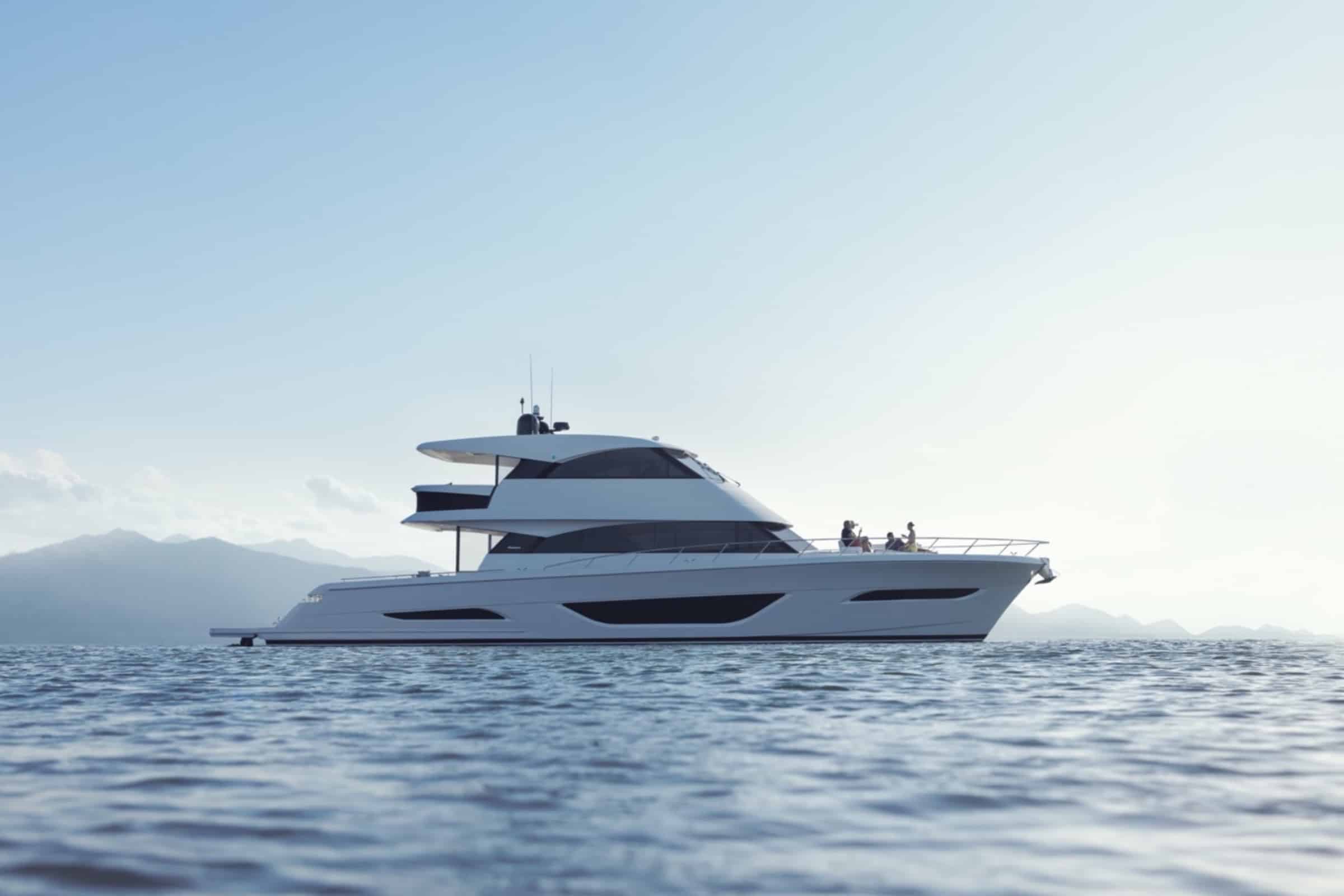
Kangaroo Island from the water
Kangaroo Island is one of Australia’s great coastal destinations. Ferries and aircraft bring travellers to its towns and national parks, but arriving aboard your own luxury motor yacht creates an entirely different relationship with the island. Many of the cliffs, beaches and headlands can only be enjoyed from the water.
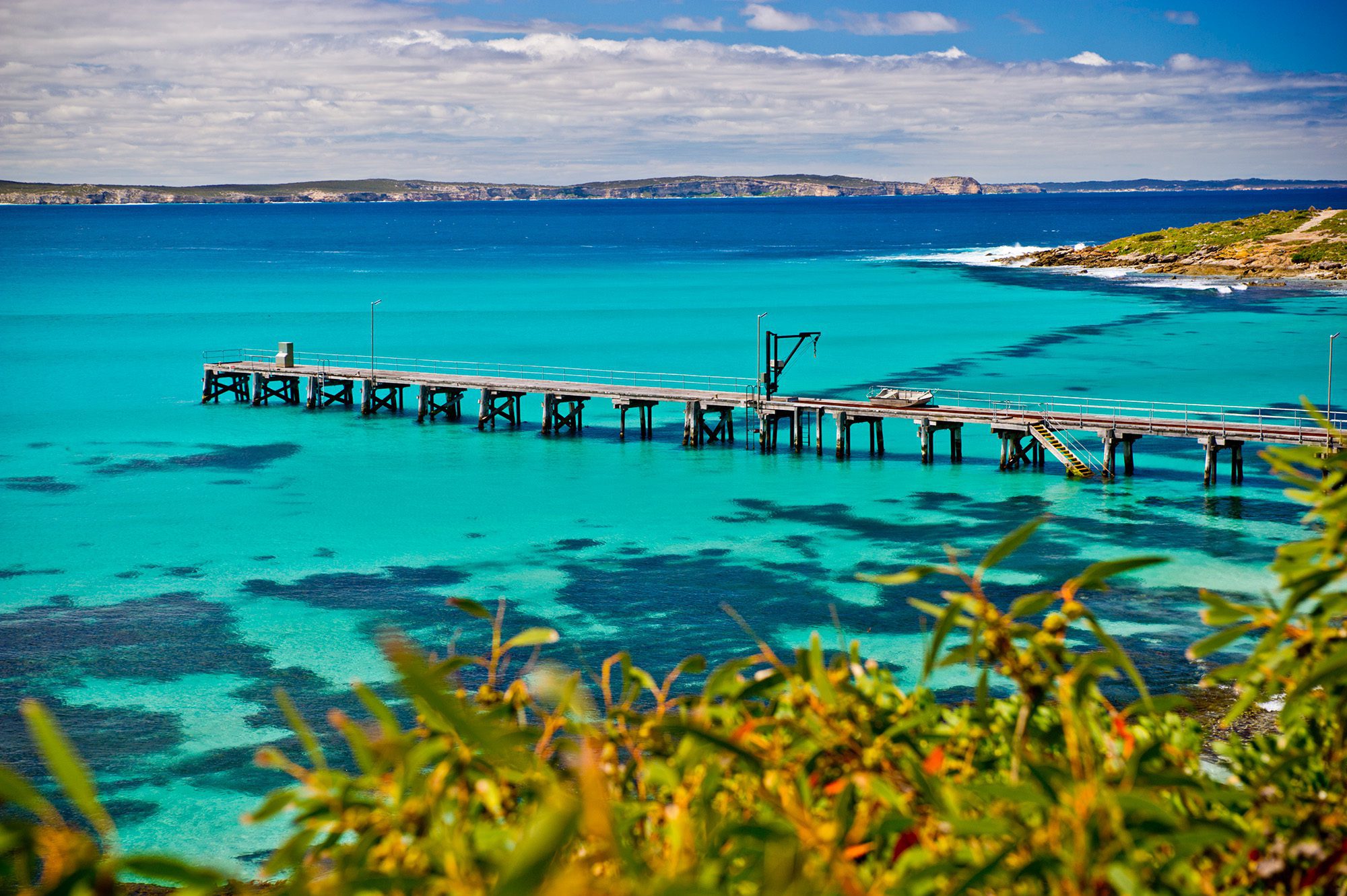
Penneshaw is the most practical first landfall from the mainland. It provides a useful point of orientation and a chance to step ashore, but the real appeal lies beyond the ferry route. American River, on the island’s north-eastern side, offers a more protected setting, and a slower pace. Pelicans patrol the shallows, fishing boats sit against the backdrop of the inlet, and the days seem to be organised around tides rather than timetables.
Continuing along the north coast reveals the island at its most inviting. Sheltered coves break the line of cliffs and scrub, some with pale beaches and water clear enough to see the bottom from the cockpit. In favourable weather, anchorages such as Emu Bay and Western River Cove can become destinations rather than overnight stops.
The southern and western coasts are altogether more exposed. This is ocean wilderness, defined by cliffs, reefs and the uninterrupted energy of the Southern Ocean. South Australia’s marine parks protect important habitats around the island, including breeding areas for Australian sea lions and extensive reef systems. These waters should be approached with good local knowledge and a conservative reading of the forecast, yet even when viewed from offshore they convey the island’s scale and isolation.